


Textile
The choice of material plays a key role in both safety and comfort. Textiles, made from natural or synthetic fibers, offer a range of benefits in protective equipment. Their flexibility, breathability, and durability make them a common choice in the development of work gloves.
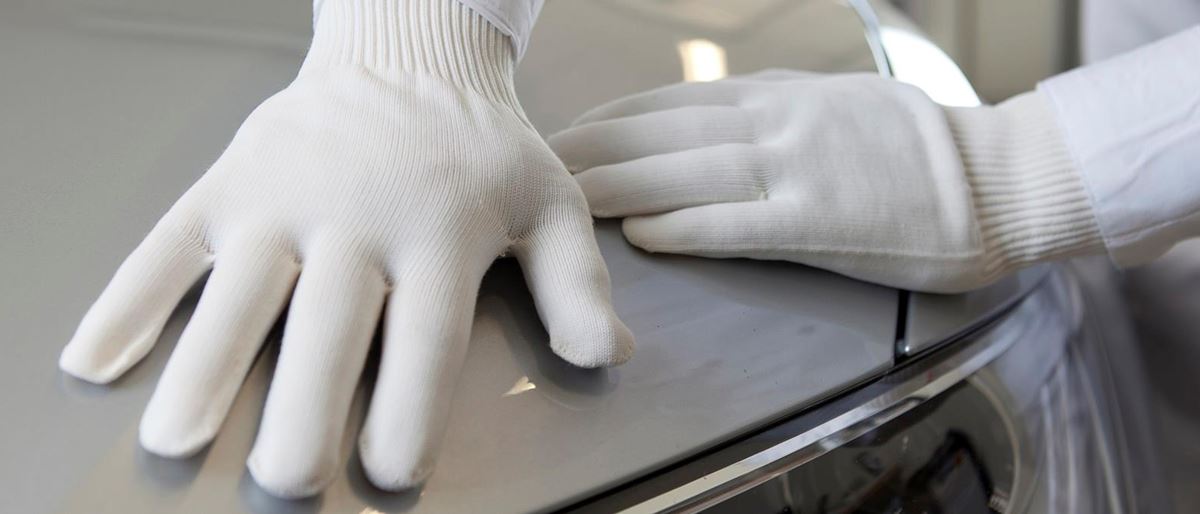
COTTON
Is the most common natural material in our gloves. Cotton can be woven or knitted and is often used in textile gloves. It´s a soft and comfortable material to wear with high moisture absorption.
POLYESTER
A strong, stretchable and shrink-free synthetic fibre that doesn’t absorb moisture. Polyester is very common and there are many different varieties, though they all boast good strength, good abrasion resistance and high light resistance.
ACRYLIC
A synthetic fibre that retains air, giving the material good heat insulating properties. Acrylic is often used as a substitute for wool in lining and has very high light resistance. Like wool, it’s soft to the touch and has moderate abrasion resistance.
NYLON / POLYAMID
A very strong synthetic fibre that is flexible and elastic with low moisture absorption capacity. Nylon is the most used material in our gloves. It´s a very durable material with greater strength and wear resistant than polyester.
PARA-ARMID
Also called aromatic polyamide, this material is about four times stronger than ordinary polyamide. This material has high heat resistance and does not burn. One example of a para-armid brand we use is Kevlar®. The material is ideal for cut, heat and welding protection.
UHMWPE / HPPE
Ultra High Molecular Weight Polyethylene / High Performance Polyethylene. A very strong and light fibre made from polyethylene that can be used in, for example, cut protection gloves. This material has low heat resistance.
TEGERA WORK GLOVES
Textile gloves for the food industry
Discover our range of high-quality textile gloves designed specifically for the food industry. Offering comfort, hygiene, and reliable performance, these gloves are ideal for food processing, handling, and preparation tasks.